The Shared Journey
When we think about physical transformation, we almost always picture a solitary figure. We imagine someone waking up before dawn, sweating alone in a gym, or quietly enduring a grueling rehabilitation protocol. We view physical function—our baseline ability to move freely, live pain-free, and navigate our daily environments with ease—as a deeply personal, solo project driven entirely by individual willpower.
But human biology tells a very different story. We are inherently social creatures, and our physical bodies do not thrive in isolation. The hidden engine behind long-term physical function isn’t isolated grit; it is the presence of consistent Social Support. Your community serves as the relational scaffolding that keeps your healthy habits standing when your personal energy runs low.
Whether you are a healthy individual looking to preserve your vitality and protect your body from future injury, someone carefully rebuilding your strength after a severe illness, or someone using physical movement as a therapeutic pillar to find grounding during addiction recovery, you are searching for the same thing: lasting physical independence.
To achieve it, we must view health through the lens of Lifestyle Sustainability. True sustainability means building a relational network that shares the weight of your journey. In therapeutic fitness, we don’t just train muscles—we cultivate supportive social connections to accelerate biological healing, calm the mind, and ensure long-term wellness.
Flexibility vs. Social Support: Shifting from Solitary Stretches to Shared Systems
To fully grasp why your relational network dictates your long-term physical capacity, let’s look at the critical difference between an isolated physical attribute and a collective support system.
The Limits of Passive Flexibility
Flexibility is a passive, solitary physical state. It is simply the furthest distance an individual muscle can stretch under an outside pull—like sitting alone on a mat and reaching for your toes. Flexibility is undoubtedly valuable, but it operates in a vacuum. If you stretch alone in your living room but return to a social circle, a high-stress workplace, or a home environment that dismisses, mocks, or discourages your commitment to health, your physical progress will quickly stall. An isolated body cannot easily maintain a state of relaxed flexibility while constantly bracing against social friction.
Social Support as an Active Guardrail
Social support acts as an active, structural guardrail for your physical choices. It shifts your health journey from an exhausting upstream battle into a collective, shared culture.
[Passive Effort: Solitary Workouts] ---> Constantly spending mental energy to justify your habits.[Social Support: Collective Care] ---> Automatically reinforcing your movement and recovery choices.When your friends, family, or fitness peers respect your physical boundaries, check in on your recovery, and share your wellness values, moving your body ceases to feel like an obligation. It becomes a natural, friction-free extension of your social life.
The Therapeutic Ecosystem: How Community Heals the Nervous System and Body
Actively surrounding yourself with a supportive network is what we call “social support training.” Interacting with a reliable community provides profound therapeutic benefits across three interconnected biological levels.
1. Reducing Inflammatory Stress to Protect Joint Health
Chronic stress and isolation trigger the body’s systemic inflammatory response, which can cause muscles to tighten, heighten pain sensitivity, and delay joint and tissue repair. When you engage in physical activity with a supportive partner or group, your body releases a surge of positive hormones like oxytocin and dopamine. These biological chemicals naturally reduce systemic inflammation, decrease the perception of physical pain, and encourage deep muscular relaxation—creating an internal environment where your joints can heal and rebuild efficiently.
2. Soothing and Regulating the Nervous System
Your central nervous system is always scanning your environment for threats. Solitude and emotional isolation keep the brain in a subtle, constant state of high alert, driving your nervous system into a “fight-or-flight” response that manifests as shallow breathing and rigid posture. Interacting with trusted peers while moving your body sends an unmistakable signal of relational safety to the brain. This collective grounding helps shift your nervous system out of survival mode and into a deeply restorative “rest-and-digest” state, which is vital for anyone recovering from profound physical or emotional trauma.
3. Anchoring Unshakable Mental Resilience
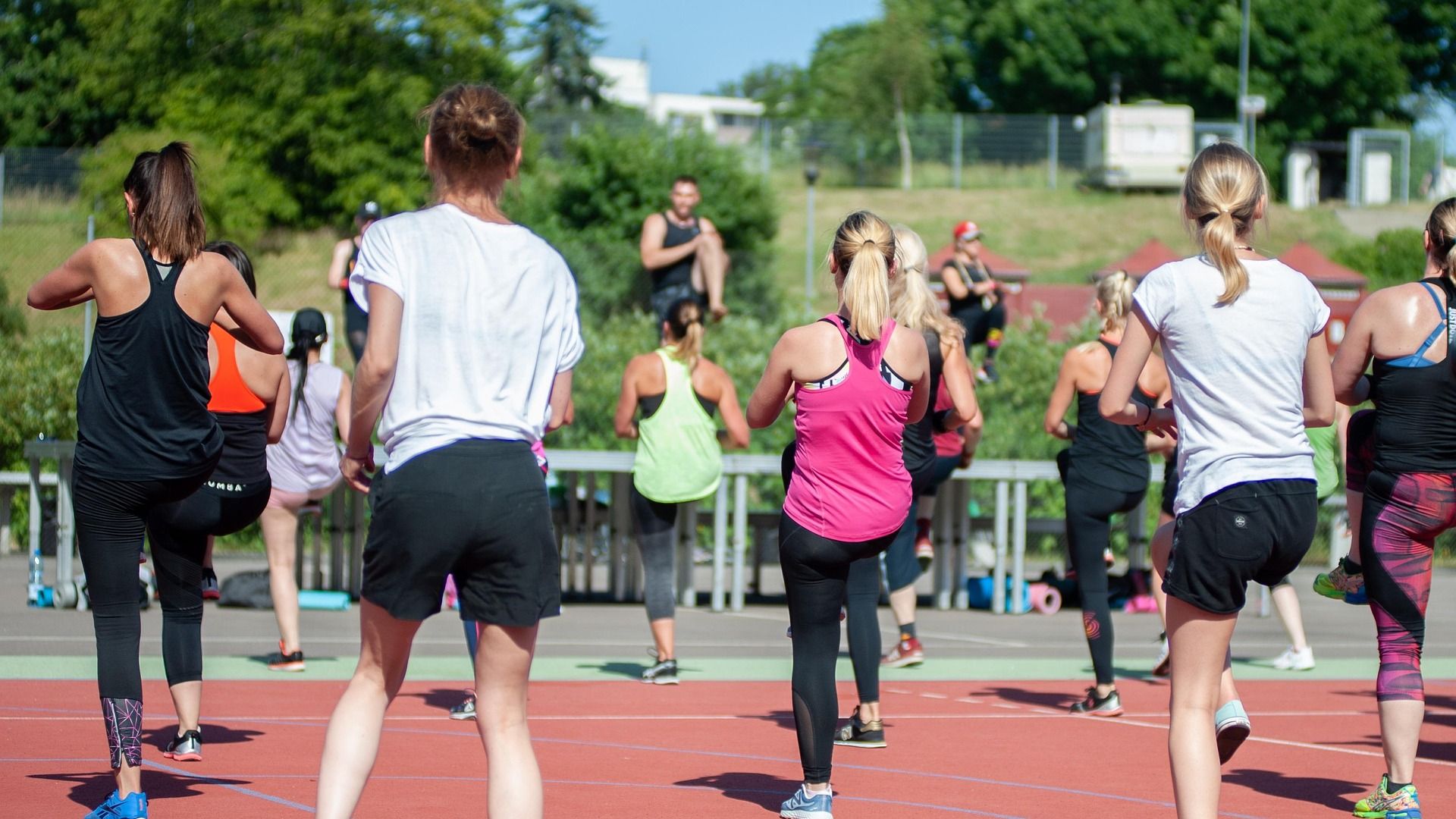
On the days when you are physically exhausted, emotionally drained, or navigating a difficult phase of personal recovery, your internal motivation will inevitably waver. Trying to force yourself to exercise alone during these dark moments often leads to feelings of frustration and abandonment. A sustainable social network steps in precisely when your personal willpower runs empty. Knowing that a friend is waiting for you at the park, or that a recovery group expects to see you, creates a compassionate layer of accountability. It transforms your physical practice into a reliable sanctuary of shared strength.
Activating the Network: 3 Simple Social Support Movements to Try Today
You do not need to join a crowded, high-intensity sports league to experience the healing power of community. These three simple, low-impact relational “movements” are designed to weave social connection directly into your physical recovery.
1. The Collaborative Accountability Check-In (Relational Stability)
Establish a simple, low-stakes text message habit with a single trusted friend to remove the mental friction of starting your daily routine.
- How to practice it: Identify a peer who shares your desire for health. Send a short text message every morning stating your single physical intention for the day (e.g., “Today I am going to do 10 minutes of gentle stretching”). Have them reply with theirs, and send a quick confirmation text once your task is complete.
- The Result: This simple social habit creates a safe, reliable loop of mutual support, turning a solitary intention into a shared commitment.
2. The Restorative “Walk and Talk” (Low-Impact Aerobic Alignment)
Trade static, sedentary social dates for a dynamic, low-impact walking meeting that keeps your body moving while you connect.
- How to practice it: The next time you plan to catch up with a friend, family member, or colleague, skip the coffee shop couch or dinner table. Instead, meet at a local park, a quiet neighborhood path, or an indoor track. Walk together at a gentle, conversational pace for 20 to 30 minutes.
- The Result: The gentle movement provides your spinal discs and lower-body joints with crucial, lubricating fluid movement, while the shared conversation distracts your mind from fatigue and deeply regulates your nervous system.
3. The Mirror-and-Match Breathing Practice (Co-Regulating the Nervous System)
Utilize a shared moment of deliberate quiet with a loved one or a small support circle to immediately lower stress and ground your physical body.
- How to practice it: Sit comfortably facing a partner or a group member, maintaining tall, relaxed posture. Inhale slowly together through your noses for 4 seconds, hold for 2 seconds, and exhale smoothly through your mouths for 6 seconds. Watch each other’s pacing, matching your respiratory rhythms perfectly for 2 to 3 minutes.
- The Result: This simple shared breathing pattern physically forces your nervous system to co-regulate, rapidly lowering your heart rate, releasing tension in your shoulders and neck, and forging a deep sense of mutual calm.
Moving Well is a Lifelong, Shared Practice
Building a healthy, sustainable life is not a solitary test of endurance, nor is it a race to be won alone. True physical recovery, emotional grounding, and long-term wellness are nurtured in the warm environment of a supportive community.
By prioritizing a sustainable social network over isolated, high-intensity efforts, you provide your joints, your nervous system, and your mind with the safe, predictable, and cooperative space they need to fully heal. Respect your current boundaries, open your journey up to those who care for you, and remember that stepping forward together to move well is always the very first step to living well.