
Introduction
Obesity is one of the most common health problems affecting millions of people around the world today. It is a medical condition characterized by excessive body fat that can negatively affect overall health and quality of life. Obesity is not simply about appearance or body weight; it is closely linked to serious physical and mental health conditions. Modern lifestyles, unhealthy eating habits, lack of physical activity, and stress have all contributed to the growing obesity epidemic.
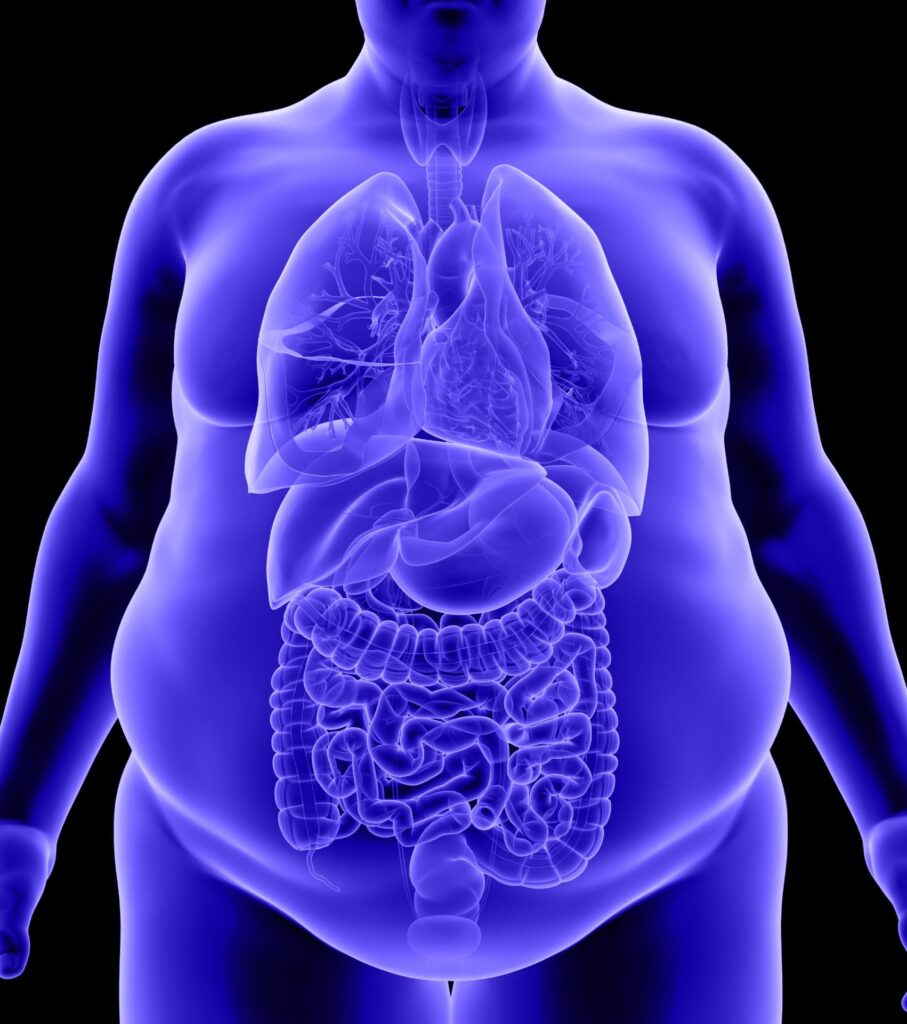
Understanding the causes, symptoms, health risks, and possible solutions for obesity is essential for maintaining a healthier life and preventing long-term complications.
What Is Obesity?
Obesity occurs when a person accumulates an excessive amount of body fat. It is commonly measured using the Body Mass Index (BMI), which compares a person’s weight to their height. A BMI of 30 or higher is generally considered obese.
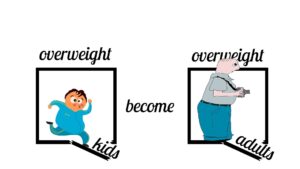
Obesity can affect people of all ages, including children, teenagers, and adults. It develops gradually over time and is usually caused by a combination of genetic, behavioral, and environmental factors.
Main Causes of Obesity
1. Unhealthy Diet
One of the leading causes of obesity is consuming foods that are high in calories, sugar, and unhealthy fats. Fast food, sugary drinks, processed snacks, and oversized portions contribute significantly to weight gain.
2. Lack of Physical Activity
Modern technology and sedentary lifestyles have reduced daily physical activity. Spending long hours sitting, using electronic devices, or avoiding exercise can lead to excessive weight gain.
3. Genetic Factors
Genetics can influence how the body stores fat and regulates appetite. People with a family history of obesity may have a higher risk of becoming obese.
4. Emotional and Psychological Factors
Stress, anxiety, depression, and emotional eating can increase food consumption and unhealthy eating habits. Many people eat for comfort rather than hunger.
5. Medical Conditions and Medications
Certain medical conditions, such as hormonal disorders, and some medications may contribute to weight gain and obesity.
Common Symptoms of Obesity
Obesity can cause several physical and emotional symptoms, including:
- Excessive body fat
- Difficulty performing physical activities
- Shortness of breath
- Increased sweating
- Fatigue and low energy
- Joint and back pain
- Low self-confidence
- Sleep problems, including sleep apnea
These symptoms can worsen over time if obesity is left untreated.
Health Risks Associated With Obesity
Obesity is linked to many serious health conditions that can reduce life expectancy and affect daily living.
1. Heart Disease
Excess body fat increases the risk of high blood pressure, high cholesterol, and heart disease.
2. Type 2 Diabetes
Obesity is one of the main causes of insulin resistance, which can lead to type 2 diabetes.
3. Stroke
People with obesity have a higher chance of developing conditions that increase the risk of stroke.
4. Sleep Apnea
Obesity can interfere with breathing during sleep, causing sleep apnea and poor sleep quality.
5. Joint Problems
Extra body weight places pressure on joints, especially the knees and back, leading to pain and mobility issues.
6. Mental Health Issues
Obesity can affect mental health by causing stress, anxiety, depression, and low self-esteem.
Effective Weight Loss Solutions
1. Healthy Eating Habits
A balanced diet is essential for weight loss. People should focus on eating:
Fruits and vegetables
Whole grains
Lean proteins
Healthy fats
Plenty of water
Reducing sugar, fast food, and processed foods can significantly improve health.
2. Regular Exercise
Physical activity helps burn calories and improve overall fitness. Walking, jogging, swimming, cycling, and strength training are effective ways to lose weight and maintain a healthy body.
3. Lifestyle Changes
Small daily habits can make a big difference. Getting enough sleep, reducing stress, and maintaining a consistent routine support healthy weight management.
4. Medical Support
Doctors, nutritionists, and fitness experts can provide personalized plans and guidance for safe and effective weight loss.
5. Surgical Treatments
In severe cases, weight-loss surgery may be recommended when other methods are not successful.
How to Prevent Obesity
Preventing obesity is easier than treating it. Some important prevention methods include:
- Eating balanced meals
- Exercising regularly
- Avoiding excessive sugar and junk food
- Monitoring body weight
- Managing stress levels
- Encouraging healthy habits from childhood
Healthy lifestyles help reduce the risk of obesity and many related diseases.
Conclusion
Obesity is a serious health condition that affects both physical and mental well-being. It can develop due to poor diet, lack of exercise, genetics, and emotional factors. If left untreated, obesity may lead to dangerous health problems such as heart disease, diabetes, and depression.
However, obesity can often be prevented and managed through healthy eating, regular physical activity, lifestyle improvements, and medical support when necessary. Raising awareness about obesity and promoting healthier habits are important steps toward building healthier communities and improving overall quality of life.